Riding is often viewed as a skill based sport, but the reality is that equestrian performance depends heavily on the athlete, not just the horse. Strength, balance, coordination, and endurance all play a major role in how well a rider performs in the saddle.
Without proper strength training, many riders experience fatigue, poor posture, and recurring injuries that limit their progress. This is where structured equestrian strength training becomes essential.
In Ocala, equestrian athletes are beginning to treat themselves like athletes, not just riders. Strength training is no longer optional if you want to improve performance, stay healthy, and compete at a higher level.
The Physical Demands of Riding
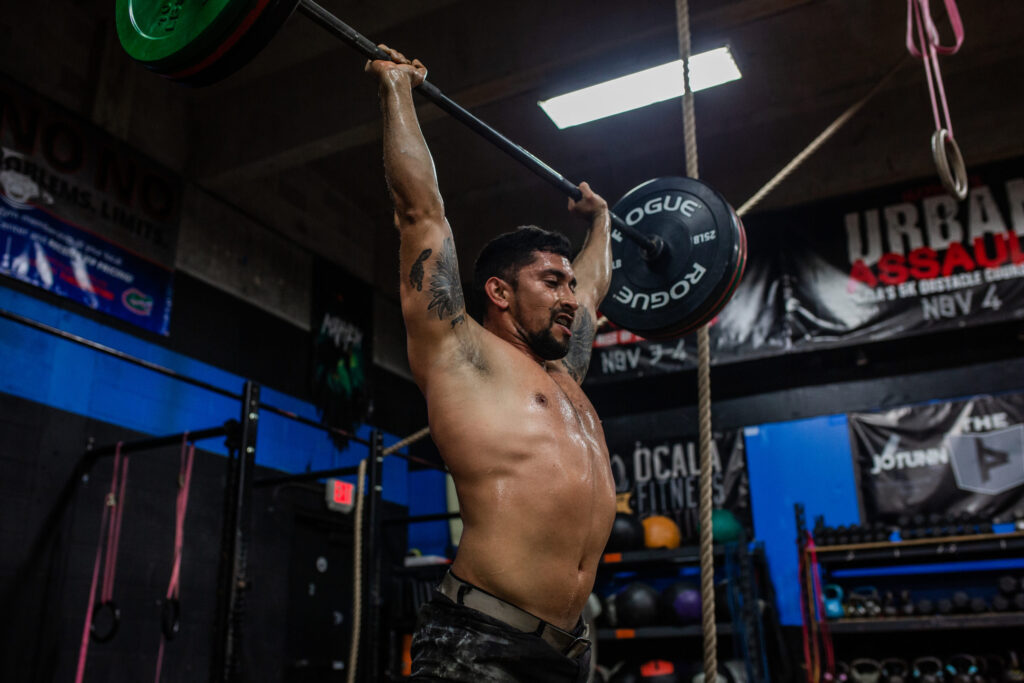
Many riders underestimate how physically demanding equestrian sport really is. Riding requires constant engagement of the core, legs, and upper body to maintain position, communicate with the horse, and absorb movement.
Over time, these demands create:
- muscle imbalances
- fatigue during long rides
- decreased control and stability
- increased injury risk
Riders who rely on riding alone for fitness often plateau because they are not building the strength needed to support these demands.
Strength training fills this gap by developing the physical foundation required for consistent performance.
Why Strength Training Improves Riding Performance
Strength training directly improves how a rider performs in the saddle.
When riders build strength in key areas, they gain:
- Better posture and alignment
- A stronger and more stable core
- mproved balance and coordination
- Greater control during movement
- Increased endurance during long sessions
This translates into better communication with the horse and more efficient movement overall.
Instead of compensating for weakness or fatigue, strong riders move with intention and control.
Injury Prevention for Equestrian Athletes
One of the biggest benefits of strength training for riders is injury prevention.
Common issues seen in equestrian athletes include:
- Lower back pain after riding
- Tight shoulders and upper body tension
- Limited hip mobility
- Weak core stability
- Imbalances between the left and right side of the body
When these issues are not addressed, they can lead to decreased performance and long term injury.
Strength training helps correct these problems by improving movement quality, stability, and overall durability.
Riders who train properly recover faster, stay healthier, and maintain performance throughout the season.

Why Riders in Ocala Are Turning to Strength Training
Ocala is one of the top equestrian hubs in the country, and the level of competition continues to rise.
Riders are realizing that talent and time in the saddle are not enough on their own. To stay competitive, they need to build strength, resilience, and durability off the horse.
Strength training allows riders to:
- Train around competition schedules
- Reduce overuse stress
- Improve longevity in the sport
- Perform consistently at a higher level
This shift is changing how equestrian athletes approach their training and development.
What Equestrian Strength Training Should Include
Effective rider training is not random workouts. It is structured and designed around the demands of the sport.
Key components include:
- Single leg strength work for balance and control
- Core stability training to support posture
- Grip strength work for rein control
- Mobility work for hips and shoulders
- Controlled tempo lifts to build stability
This type of training is what allows riders to perform better while reducing injury risk.
Train Like an Athlete, Ride Like One
If you want to improve your riding, you have to train like an athlete.
Strength training is what allows riders to build the foundation needed for performance, durability, and long term success in the sport.
In Ocala, more equestrian athletes are making this shift and seeing the difference it makes both in and out of the saddle.
If you are serious about improving your riding, strength training is the next step.